


Preparing Your Exotic Pet for Summer Storms in Palmetto
Preparing Your Exotic Pet for Summer Storms in Palmetto
Summer in Palmetto brings vibrant greenery and refreshing rains, but it also means frequent, sometimes severe thunderstorms. For exotic animals such as birds, reptiles, and small mammals, the booming thunder, flashes of lightning, and sudden changes in air pressure can be deeply unsettling. At SweetWater Veterinary Hospital, we understand how important it is for you to protect your unique companions from the stresses and risks that summer storms can bring. As Palmetto’s trusted animal hospital for dogs, cats, and a wide variety of exotic species, our veterinary team is here to guide you through the preparations needed to keep your exotic pets safe and comfortable when summer storms roll in. In this blog, we will explore how to recognize storm-related stress in exotic pets, why these animals are especially vulnerable, effective ways to keep them safe at home, and when it is time to reach out for professional help.
Recognizing Storm-Related Stress in Exotic Pets
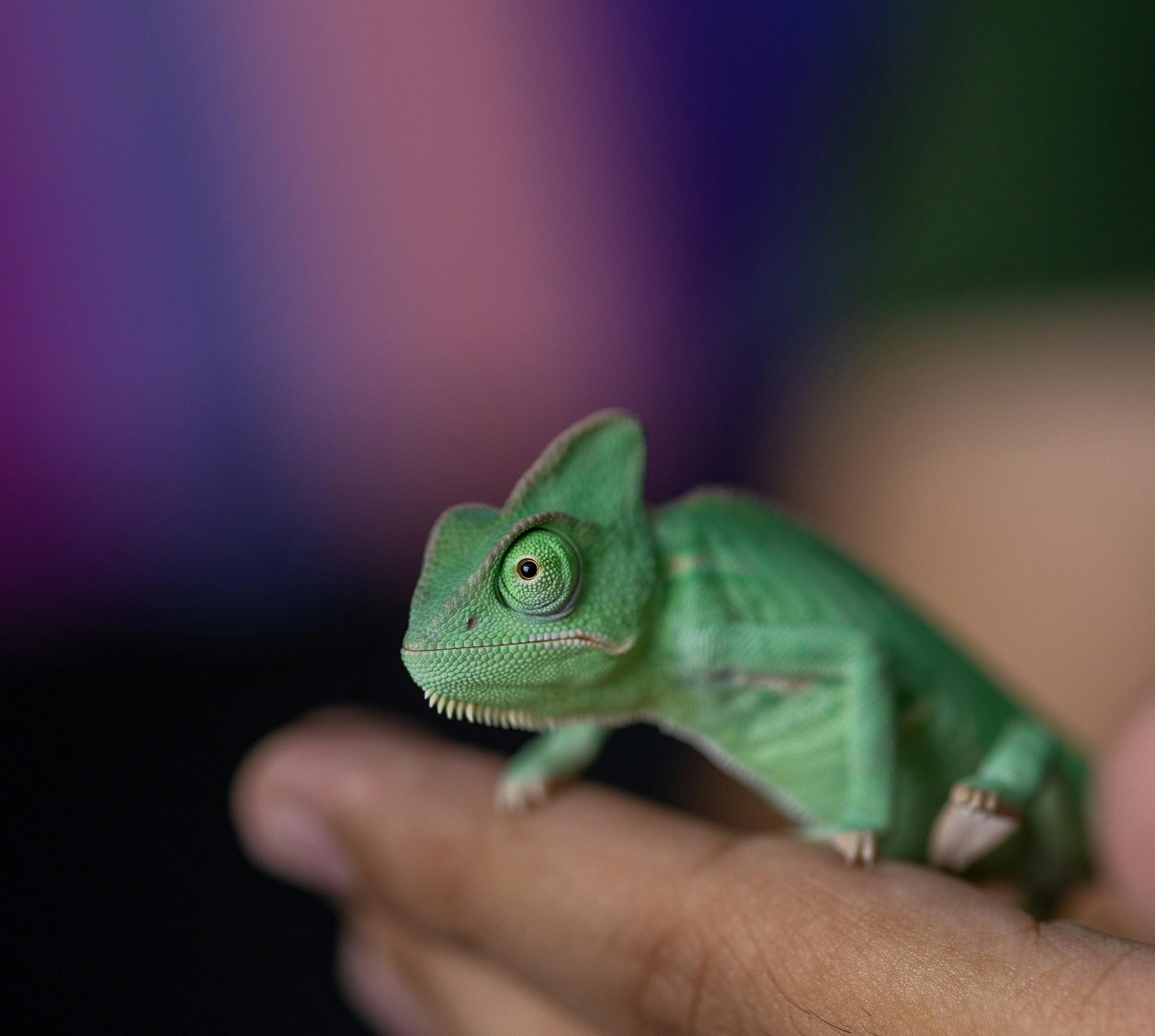
Many birds, reptiles, and small mammals are highly sensitive to environmental changes. Storms can trigger a range of physical and behavioral signs that indicate your exotic animal is feeling stressed or threatened. For example, parrots and other birds may become unusually quiet, pluck their feathers, or vocalize anxiously when thunder rumbles nearby. Reptiles such as snakes and tortoises might attempt to hide, stop eating, or display increased aggression. Small mammals like rabbits, guinea pigs, and ferrets may freeze in place, thump their feet, or exhibit rapid breathing.
Common symptoms of storm-related stress in exotic pets include pacing or repetitive movements, sudden attempts to escape their enclosure, refusal of food or water, and excessive grooming or scratching. Additionally, some exotic animals may develop digestive issues or changes in stool consistency due to heightened anxiety. It is important for owners to observe subtle shifts in body posture, activity level, or vocalization patterns, as these can be early indicators that your exotic companion is feeling overwhelmed by the weather.
Why Are Exotic Pets So Sensitive to Storms?
Exotic species often originate from environments where changes in weather signal important survival cues. Birds, for instance, may have evolved to react strongly to atmospheric shifts, as storms can threaten nests and food sources in the wild. Reptiles and amphibians are cold-blooded and rely on stable temperatures and humidity; sudden drops or surges can disrupt their physiological balance. Small mammals, being prey animals, are naturally attuned to loud noises and vibrations, as these may indicate the approach of predators or danger.
In a household setting, these sensitivities can be amplified. Unlike dogs or cats, many exotic pets do not acclimate to human environments as easily and may lack safe, quiet spaces to retreat to when storms hit. The design of their enclosures, the materials used, and the location within your home can all influence how exposed your animal is to thunder, lightning, and rapid changes in barometric pressure. Owners in Palmetto and surrounding communities may notice their exotic pets responding more intensely to Florida’s dramatic summer weather compared to more familiar species.
Creating a Safe Environment During Storms
Ensuring your exotic pet’s enclosure is secure, comfortable, and adequately shielded from the sensory overload of a thunderstorm is crucial for their health and peace of mind. Consider the room placement of your animal’s habitat; interior rooms without windows, such as bathrooms or closets, can buffer noise and flashes of light. Covering part of your bird’s cage with a lightweight, breathable cloth may help reduce visual stimulation, but always allow for proper airflow. For reptiles, providing additional hides or opaque shelters inside the terrarium gives them a sense of security during stressful times.
Temperature and humidity control is especially important for reptiles and amphibians. Use thermostats and hygrometers to monitor conditions, and avoid placing enclosures near drafty windows or exterior doors where sudden weather changes are most noticeable. Small mammals may benefit from extra bedding material, which allows them to burrow and self-soothe when startled by loud sounds. Playing gentle background music or white noise can help mask the sound of thunder and create a calming atmosphere for all exotic species.
Routine is another element that supports exotic pets during stormy weather. Try to maintain regular feeding, handling, and cleaning schedules, as predictability can help reduce anxiety. If you know a storm is approaching, provide enrichment items such as toys, foraging opportunities, or puzzle feeders in advance, giving your animal a positive distraction.
Home Care Strategies for Exotic Pet Owners
As an exotic animal owner, proactive steps can make a significant difference in your companion’s comfort during storm season. Prepare an emergency kit tailored to your species, including essential food, water, medications, heating elements, and a secure travel carrier in case evacuation becomes necessary. Keep your veterinarian’s contact information easily accessible, and familiarize yourself with the safest routes to SweetWater Veterinary Hospital in Palmetto in the event of a power outage or weather-related emergency.
Practice gentle, reassuring interactions with your exotic pet during storms. Avoid excessive handling if your animal appears fearful; instead, offer comfort by remaining close, speaking softly, and providing favorite treats when appropriate. For birds, avoid dramatic changes in lighting; sudden darkness or flashes can worsen anxiety. Reptile owners should inspect enclosures for gaps or loose screens, as frightened animals may attempt to escape. Small mammal habitats should be checked for secure latches and doors, and hiding spots should always be available.
Monitoring your animal’s health is key. After a storm, check for signs of injury, respiratory distress, or persistent behavioral changes. If your exotic pet continues to refuse food, exhibits labored breathing, or develops abnormal droppings, these could be signs of underlying illness triggered or exacerbated by stress and warrant prompt veterinary attention.
When to Seek Veterinary Care for Storm-Related Issues
Not all stress responses require immediate professional intervention, but certain symptoms in exotic pets should prompt an appointment with your veterinary team. Persistent refusal to eat or drink for more than 24 hours, repeated episodes of self-mutilation or feather plucking, signs of respiratory distress such as open-mouth breathing in birds or gaping in reptiles, and any evidence of injury or self-harm are cause for concern. Additionally, if you notice changes in your animal’s droppings, swelling, discharge from the eyes or nose, or a sudden drop in body weight, these signs may indicate a serious health issue that needs veterinary assessment.
It is also important to schedule a veterinary consultation if your exotic pet has an underlying medical condition, such as heart disease or metabolic bone disorder, as these animals may be at higher risk for storm-related complications. At SweetWater Veterinary Hospital, our team of veterinarians is trained to recognize the subtle signs of distress in exotic species and can offer individualized recommendations to help your animal recover and thrive during Florida’s stormy season.
If you are ever unsure about your exotic companion’s behavior or health, it is always best to err on the side of caution and contact your veterinarian. Quick action can make a significant difference in preventing minor stress from turning into a more serious medical issue.
Supporting Your Exotic Pet’s Wellbeing Year-Round
While summer storms are a seasonal challenge, the steps you take to prepare your exotic animal can provide comfort and safety throughout the year. Regular wellness visits with a veterinarian familiar with exotic species offer peace of mind and allow for early detection of health problems. Discuss your pet’s unique needs during storms with your veterinary team, and ask about additional resources or support available in Palmetto and surrounding communities.
Staying informed about local weather patterns and having a plan in place for your exotic pet will help you respond confidently when storms occur. Remember that each species, and even individual animals within those species, may react differently; tailor your approach based on your companion’s temperament and history. The SweetWater Veterinary Hospital team is always here to answer questions, provide guidance, and support you in keeping your exotic animals healthy and happy in every season.
Conclusion: SweetWater Veterinary Hospital is Here for Exotic Pets in Palmetto
Florida’s summer storms do not have to be a source of fear for your bird, reptile, or small mammal. With the right preparations and support from a knowledgeable veterinary team, you can help your exotic companion weather the season calmly and safely. If you have concerns about your animal’s reaction to storms, or if you notice any worrying changes in behavior or health, we encourage you to schedule an appointment with our experienced veterinarians.
At SweetWater Veterinary Hospital, we take pride in providing comprehensive care for exotic pets in Palmetto and surrounding communities. When searching for a veterinarian near me who understands the unique needs of birds, reptiles, and small mammals, our team is ready to help. Call us at (770) 400-0146 to book a consultation or visit our website for more information. Your exotic companion deserves comfort and security during every Florida summer storm, and we look forward to being your trusted partner in their care.
The information in this blog is intended for educational purposes only and should not be used as a substitute for professional veterinary advice. Always consult your veterinarian for specific concerns regarding your exotic animal’s health or behavior.